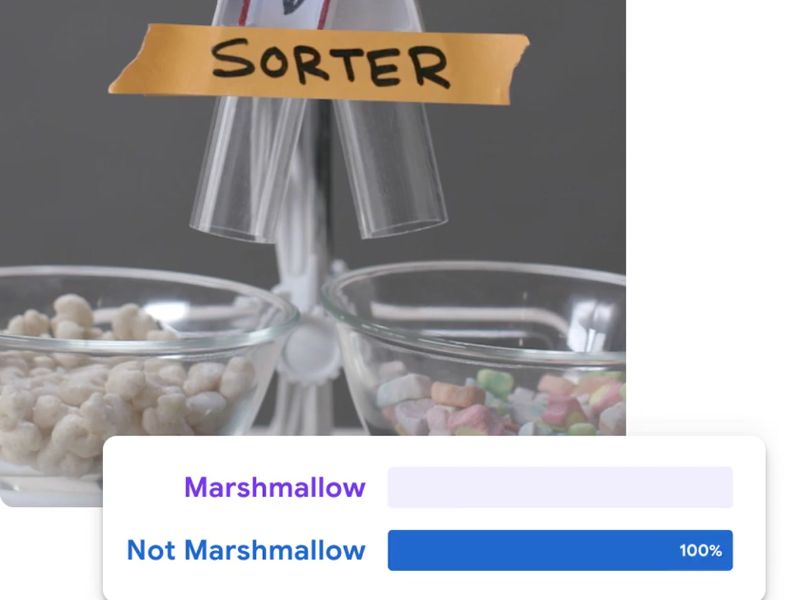

After auditing 50+ platforms—spanning AI tutors, neurodivergent aids, coding labs, and creative tools—we’ve filtered out the noise. Most apps trade genuine learning for "zombie" mechanics or addictive feedback loops.
We prioritize tools that demand logic and build resilience. We look for software that supports curiosity, steady focus, and tangible skill-building—not just the most popular or "viral" choices.
To protect focus and align with family values, we strictly avoid tools that feature:
- Dopamine Loops: Excessive digital rewards that make it difficult for children to disengage.
- Overstimulating Themes: We steer clear of "zombie," witchcraft, or fantasy themes that can normalize dark spiritual elements or overstimulate the nervous system.
- Virtual Combat: No "shooting" mechanics or simulations that incite aggression.
AI won't replace your kid, but a kid who can audit AI will.
The Lab-Vetted Resources
We’ve done the testing so you don’t have to. These lists are updated monthly to ensure they remain safe, effective, and "smart."
1. AI Learning & Creation Tools
Explore our primary vetted list of AI-powered tools that actually build skills rather than just providing shortcuts.
2. The "Logic First" Math Apps
Quality math education shouldn't be hidden behind a paywall. We’ve curated the best (FREE) tools that focus on mathematical logic over simple "gamification."
👉 Access the Free Math Resources
The "Education" Traps
Some AI tools marketed for education may not be helpful.
Prodigy Math:
Some consider this app controversial. It may be a microtransaction simulator instead of a math tutor. Some parents report that kids guess answers to unlock game features, with no educational value.
ChatGPT & Gemini:
These are powerful but lack filters that require parents supervision. Plus, they make mistakes. LIke any media, their info is as good as those who provided them. If you want to now what your kids watch on the screen, you want to know what your kids are chatting about with the bots.
👉 The Roblox Safety Crisis: Are your kid active on Roblox? Read Why 3,000 families are seeking justice and the truth behind 130+ lawsuits.
👉 The Digital Balance: Explore the latest research on how screen time may be affecting cognitive growth for kids under 10 and why Europe countries are cutting back digital learning.

Tools for Building a Better Brain: Top AI Tutors for 2026
These tools ask better questions instead of just giving answers.
1. Khanmigo
This is a tutor that uses the Socratic method, offering hints and encouragement. It is transparent and safe, outranking other general AI chatbots in every privacy category
2. CK-12 Flexi
Flexi explains concepts using analogies based on your child's interests [143].
3. UpStudy
This is designed for older students. It focuses on the reasoning behind solutions [149].
👉 See the Top 2026 AI Powered learning Tool for Homework helper, Coding, Drawing and Art, Language, Math, and Neurodivergent learners
👉 The Roblox Safety Crisis: Are your kid active on Roblox? Read Why 3,000 families are seeking justice and the truth behind 130+ lawsuits.
New Tools/Insights for 2026:
- Tool to watch: Mizou. It lets you lock the "bot" so it never gives an answer, only hints. It's the current favorite for parents who hate cheating.
- Use the word "Audit" instead of "Check." It sounds more professional and future-proof.
3 Rules That Actually Work
- Set the Timer: Limit AI homework time.
- Ask "Why?": Ask your child to explain the AI's hints [215].
- Cross-Check: Teach them to check the AI's accuracy.

Ready to dive into these AI powered tools? Start a free AI project with your child today and discover how to integrate technology with purpose.




%20(300%20x%20250%20px)%20(1).avif)
%20(300%20x%20250%20px)%20(2)%202.avif)





-min.avif)