

In a world where AI is reshaping how we live, work, and learn, many parents wonder: Can I really teach my child about machine learning if I’m not a tech expert? The answer, backed by educators at places like MIT Media Lab and supported by countless parent success stories, is a resounding yes.
Even if you don’t know how to code or have never worked in tech, you can still give your child a head start in understanding the future. Today’s tools make it easier than ever to explore machine learning for kids in fun, hands-on, and totally non-intimidating ways.
In this guide, we’ll break down how to explain machine learning in kid-friendly terms, recommend some of the best tools and platforms, and give you unplugged activities that reinforce the same concepts—no screen required.
Scroll down to the tools/games suggestions
1. What Is Machine Learning for Kids?
Parents want their kids to get into good colleges, win debates, think logically, and thrive even when AI changes most jobs. Early exposure to machine learning delivers all of that.
Kids who learn these concepts:
- Sharpen critical thinking and logical reasoning that boost grades, debate performance, and college applications.
- Build the exact problem-solving edge that top universities and employers now look for.
- Gain AI literacy — the ability to understand, question, and direct AI instead of being replaced by it.
In a world where AI will automate routine tasks, the winners will be the kids who know how the technology actually works. They’ll create with AI, spot bias, and make ethical decisions — skills that are future-proof.
As MIT Media Lab researcher Blakeley Payne says: “The earlier kids can start thinking about the way AI systems make decisions, the better prepared they’ll be to shape and understand the systems around them.”
2.Benefits for Kids Who Learn Machine Learning
Parents want their kids to make good decisions, think outside the box, and also get into good colleges, think logically, when AI changes most jobs. Early exposure to machine learning delivers all of that.
Kids who learn these concepts:
- Sharpen critical thinking and logical reasoning that boost grades, debate performance, and college applications.
- Build the exact problem-solving edge that top universities and employers now look for.
- Understand how the technology actually works. They’ll create with AI, spot bias, and make ethical decisions — skills that are future-proof.
3. Parents: You Don't Need Coding Experience
One of the most common misconceptions is that AI = coding.
While coding is part of AI development, tools like visual games, interactive stories, and drag-and-drop platforms allow kids (and parents!) to learn foundational concepts without writing a single line of code.
In fact, many of the most effective tools were designed for classrooms and homes where teachers and parents don’t have technical backgrounds.
4. Best Tools That Teach Machine Learning for Kids
Here are four apps and platforms that make AI accessible, fun, and educational. Each one targets a slightly different skill — some introduce light coding, others need zero coding — so you can pick what fits your child.
a. Machine Learning for Kids (by IBM)
- Best for: Ages 8–14 (classroom or home)
- What it actually teaches: Block-based coding (Scratch) + real machine learning projects like training chatbots or image classifiers.
- Future payoff: Kids learn the logic of programming while seeing how data trains AI — exactly the foundation needed to direct AI systems instead of being automated out of jobs.
- Price: Free
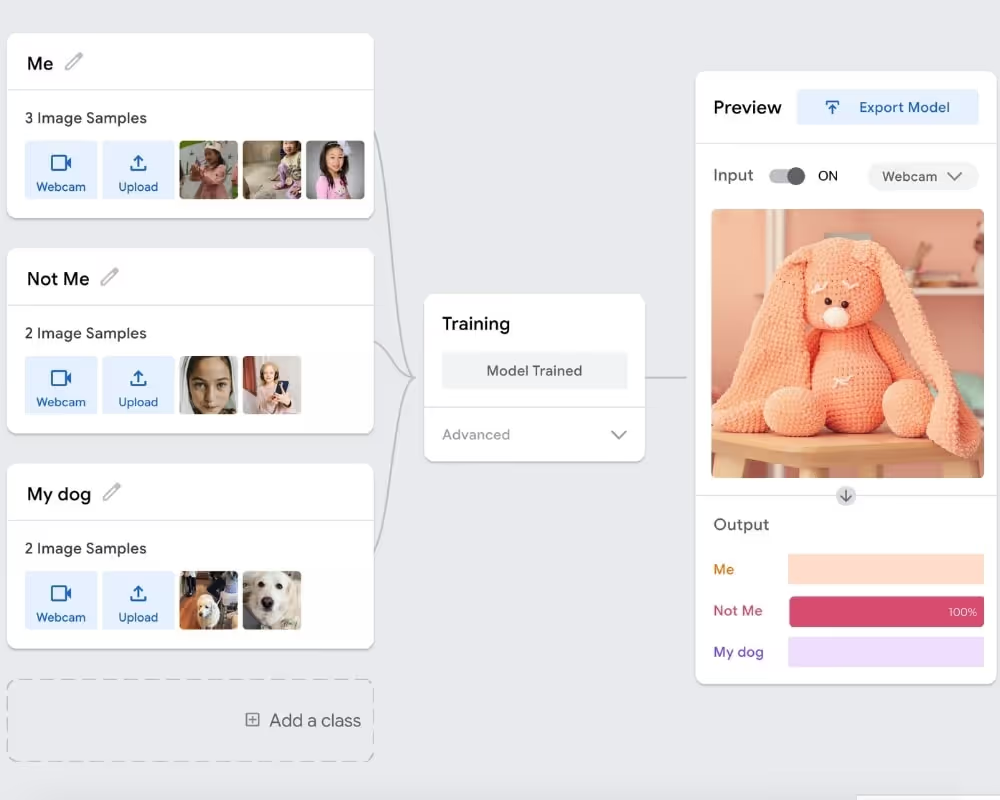
b. Teachable Machine (by Google)
- Best for: Ages 7+ (total beginners)
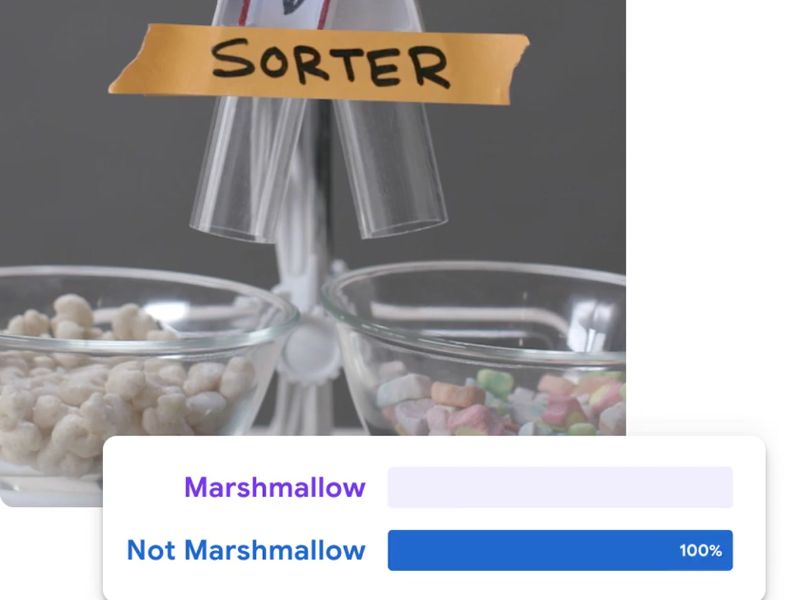
- What it actually teaches: No coding at all — just drag-and-drop images, sounds, or poses. Kids train the AI in seconds and instantly see patterns and mistakes.
- Future payoff: Builds pattern recognition and bias-spotting skills that will be essential when every job involves working alongside AI.
- Price: Free
c. Code.org AI & Machine Learning Unit
- Best for: Ages 10–13
- What it actually teaches: Story-based lessons on algorithms, fairness, and AI ethics (no coding required).
- Future payoff: Develops moral reasoning alongside tech — critical for kids who will one day design or regulate AI systems.
- Price: Free
d. AI + Ethics Curriculum (MIT Media Lab & iThrive)
- Best for: Tweens/teens (parent-guided discussions)
- What it actually teaches: Real-life ethical scenarios and critical questioning (zero tech required).
- Future payoff: Turns kids into thoughtful creators who can question AI decisions instead of blindly trusting them.
- Price: Free PDF guide
Why these tools matter when AI takes over most routine jobsRoutine tasks (data entry, basic analysis, simple decisions) will be automated. The skills these tools build — understanding how AI learns, spotting errors, ethical thinking, and light coding logic — are exactly what will let your child work with AI as a creator, not compete against it as a replaceable worker. That’s the real college-and-career advantages.
👉 Want to explore safe and carefully selected AI homework helper apps for kids, read here
5. Offline Critical Thinking Games that Teach AI Concepts
You don’t even need a screen to introduce machine learning for kids. Try these unplugged activities:
a. The Pattern Sorting Game
- Give your child a pile of mixed objects (buttons, toy animals, etc.).
- Ask them to sort based on color, then size, then shape.
- Then ask: "Can you teach ME how to do it? What rules did you use?"
This teaches classification, a core machine learning function.
b. If-Then Simon Says
- You say, "If I clap once, you spin. If I clap twice, you jump."
- Mix it up. Let your child invent the rules.
This builds understanding of "if-then" logic—the same logic used in AI algorithms.
c. Yes/No Data Detective
- You think of an object. Your child asks yes/no questions to figure it out.
- They’re essentially "training" themselves to classify by process of elimination.
Great for developing decision-tree thinking, a building block of AI.
6. What About Free AI Homework Helper Tools?
Machine learning isn’t just about creating—it’s also about support. Tools like:
- Socratic by Google (helps break down math and science homework)
- Khanmigo by Khan Academy (AI-powered tutor in development)
...are examples of ai homework helper free tools that use machine learning to adapt to students’ needs.
Just remember: the goal is understanding, not shortcuts. Choose tools that explain, not just answer.

7. Everyday Conversations That Reinforce Machine Learning Concepts
You don’t need a curriculum to keep machine learning ideas alive. Everyday moments offer opportunities to spark AI curiosity.
Here are examples of how you can naturally bring up machine learning for kids in daily life:
- At the dinner table:
“Remember how Netflix shows new cartoons you like? That’s AI learning your favorites.” - In the car:
“Google Maps just rerouted us around traffic. It learns from all the other drivers in real time.” - At the store:
“Ever notice how the cashier's screen guesses what fruit you bought? That’s a form of pattern recognition!”
These small discussions teach kids to observe how technology behaves—and to ask, why did it do that? This builds digital curiosity and agency.
8. How Machine Learning Builds Critical Thinking in Kids
Beyond tech know-how, the real superpower kids gain from learning about AI is how to think.
Understanding machine learning helps kids:
- Break down big problems into small steps
- Spot patterns in data, behavior, and logic
- Question bias and fairness in decision-making
- Learn from feedback—just like algorithms do
According to a 2024 report from the Brookings Institution, students exposed to AI literacy early were 23% more likely to question automated decisions (like how grades are scored or how search results appear).
That’s digital resilience—and it starts young.
9. Which Kids Thrive Most with Early AI Exposure?
You might wonder: Is this really for every child?
Yes. But it’s especially beneficial for:
- Kids who like puzzles – because pattern recognition is their playground.
- Kids with learning differences – many adaptive AI tools support their unique pace.
- Kids who fear mistakes – AI models fail, learn, and try again. It models healthy iteration.
- Kids who love fairness – exploring AI bias teaches them to think critically about justice and systems.
👉 Want to discover Year Round hands-on STEM activities in Bay Area
In short, machine learning for kids isn’t just about building tech skills. It nurtures a mindset of inquiry, adaptability, and reflection.

As MIT’s Randi Williams, who developed AI learning kits for young kids, puts it:
“It’s not about coding. It’s about helping kids understand that computers don’t think—they follow patterns we give them. That understanding makes them powerful.”
So go ahead—train a chatbot. Sort buttons. Ask questions about fairness in your YouTube feed. You’re not just teaching machine learning for kids—you’re preparing your child to shape the future with confidence. Try these no code ai activities for kids fun today.


%20(300%20x%20250%20px)%20(1).avif)



-min.avif)